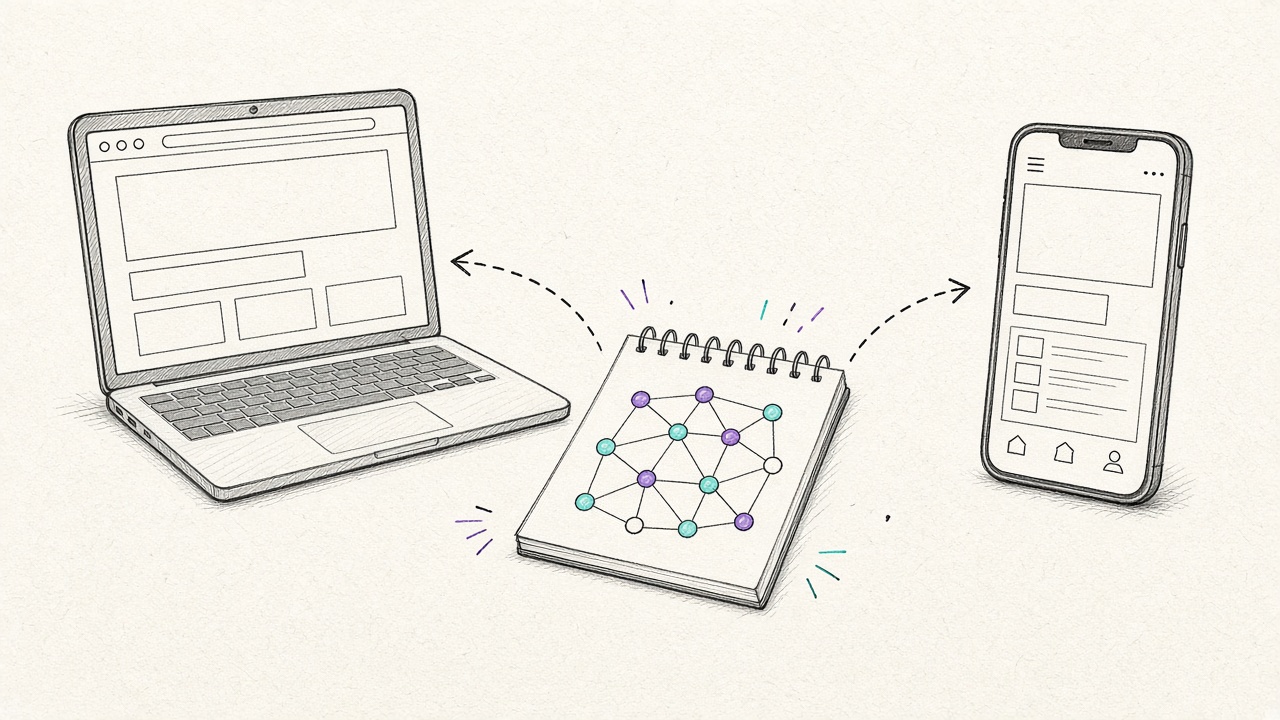
Artificial Intelligence is no longer a futuristic concept reserved for large technology companies. Today, AI has become one of the most powerful tools available to businesses looking to improve customer experiences, automate processes, and gain a competitive advantage.
From intelligent chatbots and recommendation engines to automated workflows and predictive analytics, AI is reshaping how modern software is built and used. As a result, web applications and mobile apps are becoming smarter, more personalized, and significantly more valuable to both businesses and end users.
Organizations that embrace AI-powered software solutions are finding new ways to increase efficiency, reduce costs, and create digital experiences that were simply not possible a few years ago.
What Is AI in Software Development?
Artificial Intelligence refers to systems capable of performing tasks that typically require human intelligence. These tasks can include understanding language, recognizing patterns, making predictions, generating content, and learning from data.
When integrated into web and mobile applications, AI can help automate decision-making, analyze large amounts of information, and provide users with personalized experiences in real time.
Unlike traditional software that follows predefined rules, AI-powered applications can adapt and improve based on user interactions and data.
Why Businesses Are Investing in AI
Consumer expectations continue to rise. Users want faster responses, more personalized experiences, and applications that understand their needs.
AI enables businesses to meet these expectations while improving operational efficiency.
Some of the key benefits include:
- Improved customer engagement
- Increased automation
- Better decision-making
- Reduced operational costs
- Enhanced user experiences
- Faster business processes
- Greater scalability
As AI technology becomes more accessible, organizations of all sizes are finding ways to incorporate intelligent features into their digital products.
AI-Powered Chatbots and Virtual Assistants
One of the most common uses of AI in modern applications is intelligent customer support.
Traditional chat systems often rely on predefined scripts and limited responses. AI-powered assistants can understand natural language, answer complex questions, and provide meaningful assistance around the clock.
For businesses, this means:
- Faster customer support
- Reduced support costs
- Improved customer satisfaction
- 24/7 availability
- Increased lead generation
Whether integrated into a website or mobile application, AI assistants can significantly improve the user experience while reducing the workload on support teams.
Personalized User Experiences
Modern users expect applications to understand their preferences and deliver relevant content.
AI makes personalization possible by analyzing user behavior, interests, and interactions.
Examples include:
- Personalized product recommendations
- Customized content feeds
- Smart search functionality
- Tailored marketing messages
- Adaptive user interfaces
By providing more relevant experiences, businesses can increase engagement, retention, and customer loyalty.
Smarter Search Functionality
Traditional search systems often struggle when users make spelling mistakes or use unexpected terminology.
AI-powered search can understand intent rather than simply matching keywords.
This allows users to find information more quickly and accurately.
For e-commerce platforms, marketplaces, SaaS products, and content-heavy websites, intelligent search can dramatically improve user satisfaction and conversion rates.
AI for Business Automation
Many businesses spend countless hours performing repetitive administrative tasks.
AI can automate a wide variety of processes, including:
- Data entry
- Customer inquiries
- Appointment scheduling
- Document processing
- Email categorization
- Lead qualification
- Workflow management
By reducing manual work, teams can focus on higher-value activities that drive business growth.
Predictive Analytics and Data Insights
Modern applications generate enormous amounts of data.
AI can analyze this information and identify patterns that would be difficult for humans to detect manually.
Businesses can use predictive analytics to:
- Forecast sales trends
- Predict customer behavior
- Identify business opportunities
- Reduce operational risks
- Improve resource allocation
Instead of relying solely on historical reporting, organizations can make proactive decisions based on intelligent predictions.
AI in Mobile Applications
Mobile applications are increasingly leveraging AI to deliver more intelligent and engaging experiences.
Popular examples include:
Voice Assistants
Users can interact with applications through natural voice commands, creating more convenient and accessible experiences.
Image Recognition
AI can identify objects, products, documents, and even medical conditions through image analysis.
Smart Notifications
Rather than sending generic notifications, AI can determine the optimal timing and content for individual users.
Personalized Recommendations
Streaming platforms, e-commerce apps, and social networks use AI to recommend content, products, and services based on user behavior.
These capabilities help mobile applications become more useful, engaging, and valuable over time.
AI and Software Development Efficiency
AI is not only transforming the products businesses build—it is also changing how software itself is developed.
Modern development teams use AI-powered tools to assist with:
- Code generation
- Bug detection
- Automated testing
- Documentation creation
- Performance optimization
- Code reviews
These tools help developers work more efficiently while maintaining high-quality standards.
As a result, businesses can launch products faster and reduce development costs without sacrificing reliability.
Common AI Features Businesses Are Adding Today
Many organizations are already integrating AI into their digital products.
Popular features include:
- AI chatbots
- Customer support assistants
- Smart search engines
- Recommendation systems
- Automated content generation
- Voice recognition
- Sentiment analysis
- Document processing
- Predictive analytics
- Personalized dashboards
These features can often be added incrementally, allowing businesses to introduce AI without completely rebuilding existing systems.
Is AI Replacing Developers?
A common misconception is that AI will replace software developers.
In reality, AI is becoming a powerful tool that enhances developer productivity rather than replacing human expertise.
Successful software projects still require:
- Business analysis
- Architecture planning
- User experience design
- Security implementation
- System integration
- Quality assurance
- Strategic decision-making
AI can assist with many tasks, but experienced developers remain essential for building reliable, secure, and scalable applications.
The most successful organizations are using AI to empower development teams rather than replace them.
The Future of AI-Powered Applications
As AI technology continues to evolve, its role in web and mobile applications will only grow.
Future applications will become increasingly capable of understanding user behavior, automating complex workflows, and delivering highly personalized experiences.
Businesses that adopt AI today are positioning themselves to remain competitive in a rapidly changing digital landscape.
Rather than viewing AI as an optional enhancement, many organizations are beginning to see it as a core component of modern software development.
Final Thoughts
Artificial Intelligence is transforming the way businesses build and use digital products. From intelligent customer support and personalized experiences to automation and predictive analytics, AI offers opportunities to improve efficiency, increase engagement, and create more valuable software solutions.
Whether you’re developing a new web platform, launching a mobile application, or enhancing an existing product, integrating AI can unlock capabilities that drive real business results.
As technology continues to advance, organizations that successfully combine AI with modern web and mobile development will be best positioned to innovate, scale, and meet the growing expectations of their users.
Leave a Reply