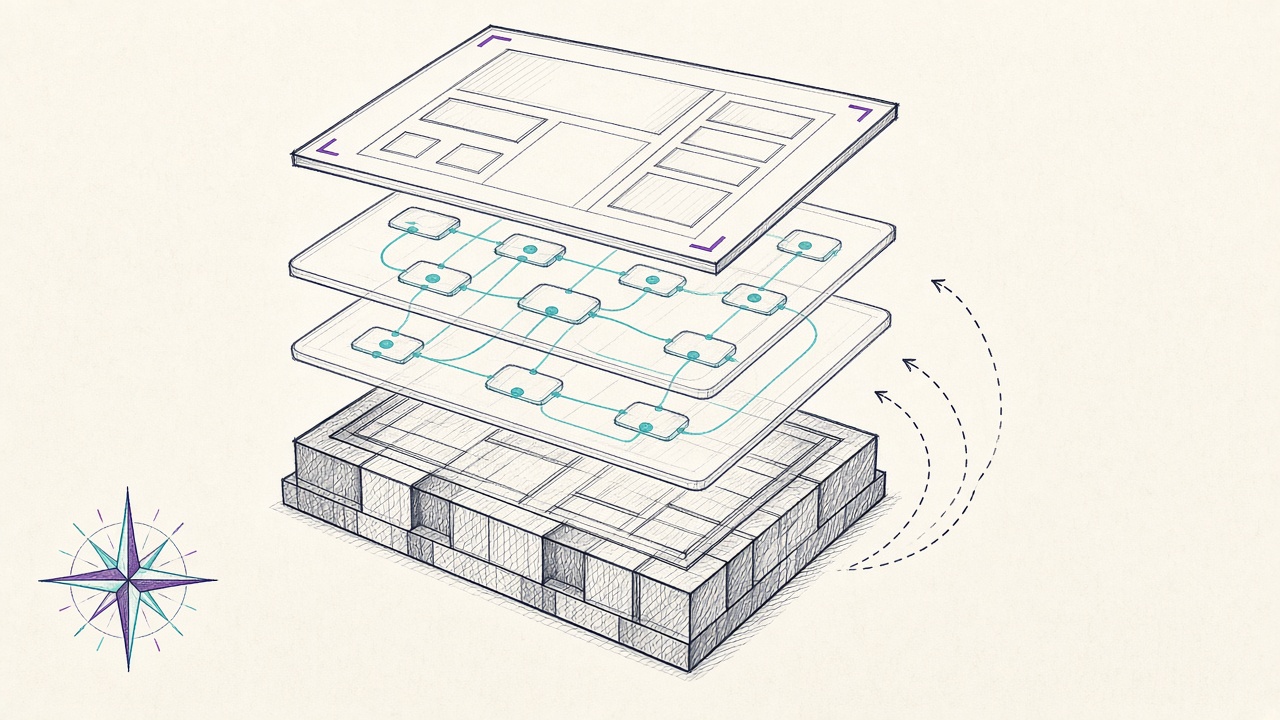
Technology is evolving faster than ever, and businesses are under increasing pressure to deliver digital experiences that are fast, scalable, and capable of adapting to changing market demands. Whether developing a web platform, mobile application, SaaS product, or internal business system, long-term success depends on more than simply writing code—it requires strategic planning, modern architecture, and a clear focus on user needs.
Organizations that invest in future-ready software are better positioned to innovate, scale, and respond to new opportunities as they emerge. But what exactly makes a digital product “future-ready”?
Start with the Problem, Not the Technology
One of the most common mistakes businesses make is focusing on technology before clearly understanding the problem they are trying to solve.
The most successful digital products begin with a deep understanding of user challenges, business goals, and operational requirements. Technology should serve the solution, not drive it.
Before selecting frameworks, cloud providers, or development methodologies, organizations should answer questions such as:
- What problem are we solving?
- Who are the users?
- What processes can be improved?
- How will success be measured?
- What future growth should the platform support?
A strong foundation ensures that development efforts remain aligned with business objectives.
Scalability Should Be Considered from Day One
Many applications begin with a small user base and relatively simple requirements. However, successful products rarely stay small for long.
Scalable architecture allows applications to grow without requiring costly rewrites or significant infrastructure changes.
Scalability includes:
- Supporting increased traffic
- Managing larger datasets
- Handling more users
- Accommodating new features
- Expanding into new markets
Building with scalability in mind from the beginning helps businesses avoid technical limitations as they grow.
Performance Directly Impacts Business Results
Users expect applications to be fast and responsive. Even small delays can affect engagement, customer satisfaction, and conversion rates.
Modern software development prioritizes performance through:
- Efficient frontend frameworks
- Optimized databases
- Cloud infrastructure
- Caching strategies
- Content delivery networks
- Automated performance monitoring
Fast applications not only improve user experience but can also contribute to better search engine visibility and higher customer retention.
Automation Creates Competitive Advantages
Automation has become one of the most valuable tools available to modern businesses.
Rather than relying on manual processes, organizations are increasingly automating repetitive tasks, workflows, and operational activities.
Examples include:
- Lead management
- Customer onboarding
- Reporting systems
- Appointment scheduling
- Data synchronization
- Customer support processes
- Marketing workflows
Automation reduces human error, improves efficiency, and allows teams to focus on higher-value work that drives growth.
AI Is Reshaping Digital Experiences
Artificial Intelligence is no longer limited to large technology companies. Today, businesses across industries are integrating AI into web and mobile applications to create smarter user experiences.
AI-powered features can include:
- Intelligent chatbots
- Personalized recommendations
- Predictive analytics
- Smart search functionality
- Automated content generation
- Workflow automation
- Data analysis and insights
When implemented strategically, AI can enhance both customer experiences and internal business operations.
The goal is not to replace human expertise but to amplify it through intelligent systems that improve efficiency and decision-making.
User Experience Matters More Than Ever
No matter how powerful an application may be, users will quickly abandon it if the experience is confusing or frustrating.
Successful digital products prioritize:
- Clear navigation
- Fast loading times
- Mobile responsiveness
- Accessibility
- Consistent design
- Intuitive workflows
Great user experience reduces friction and helps users achieve their goals more efficiently.
Businesses that invest in usability often see higher engagement, improved retention, and stronger customer satisfaction.
Security Must Be Built In, Not Added Later
As applications become more sophisticated, security becomes increasingly important.
Modern software solutions must protect both business data and user information.
Best practices include:
- Secure authentication systems
- Data encryption
- Role-based permissions
- Regular security audits
- Secure API integrations
- Infrastructure monitoring
Security should be considered throughout the entire development process rather than treated as a final step before launch.
The Importance of Continuous Improvement
Launching a product is not the finish line—it is often just the beginning.
Successful digital products evolve continuously based on:
- User feedback
- Analytics data
- Market changes
- Business requirements
- Emerging technologies
Organizations that embrace ongoing improvement can adapt more effectively to changing customer expectations and maintain a competitive edge.
Software should be viewed as a living product that grows alongside the business it supports.
Building for the Future
Future-ready software is not defined by a specific technology stack or framework. Instead, it is characterized by flexibility, scalability, performance, and a commitment to solving real business challenges.
The most successful digital products combine strong engineering practices with thoughtful strategy, enabling organizations to innovate confidently and respond quickly to new opportunities.
Whether developing a customer-facing platform, internal business system, SaaS product, or mobile application, businesses that invest in modern architecture, automation, AI capabilities, and exceptional user experiences will be best positioned for long-term success.
Final Thoughts
Modern software development is about more than building applications—it is about creating digital products that drive business growth, improve operational efficiency, and deliver meaningful value to users.
As technology continues to evolve, organizations that focus on scalability, automation, performance, security, and intelligent user experiences will be better equipped to navigate change and capitalize on future opportunities.
The future belongs to businesses that build with adaptability in mind, leveraging modern technology not just to keep pace with change, but to lead it.
Leave a Reply