Author: WonderIT
-
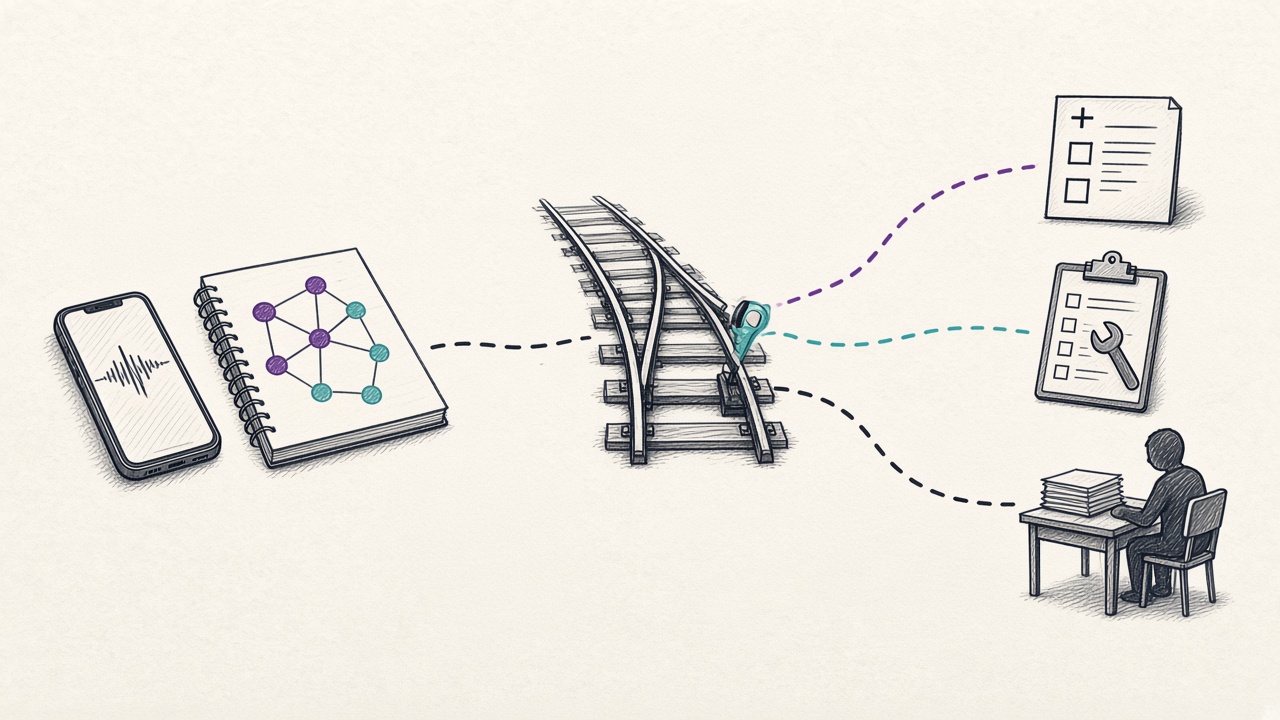
Building Reliable AI Systems: Why Software Still Needs to Stay in Control
One thing we’ve learned from building AI into real products: the smarter the model gets, the more important the software around it becomes. We ran into this while building ServiceBrief AI at WonderIT. Imagine a technician leaves a voice note: “AC is running again, but the compressor is pulling high amps. Customer may need a…
-
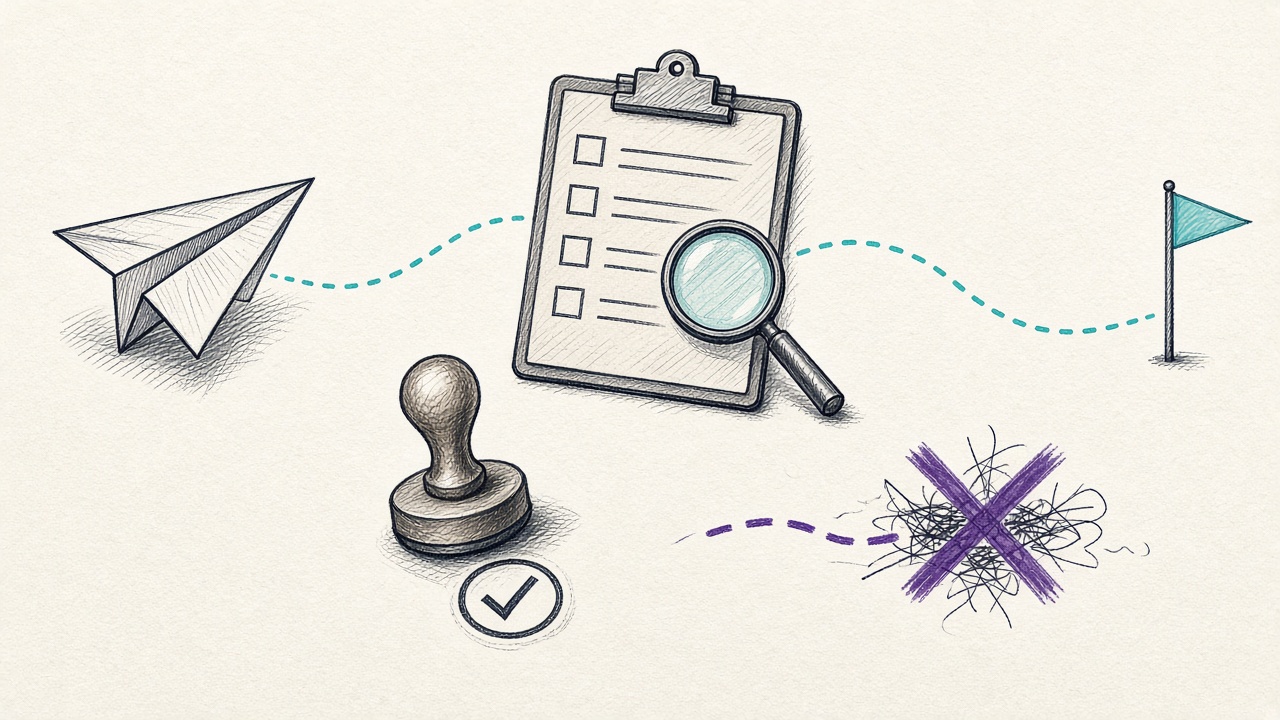
Guardrails aren’t just for frontier labs
Anthropic’s CEO just told the world to slow down. This weekend, Dario Amodei published an essay calling for AI companies to deliberately pace how fast they push model capabilities forward — arguing that safety, oversight, and alignment work need to catch up before the industry pushes further. OpenAI’s Sam Altman and even Elon Musk publicly…
-
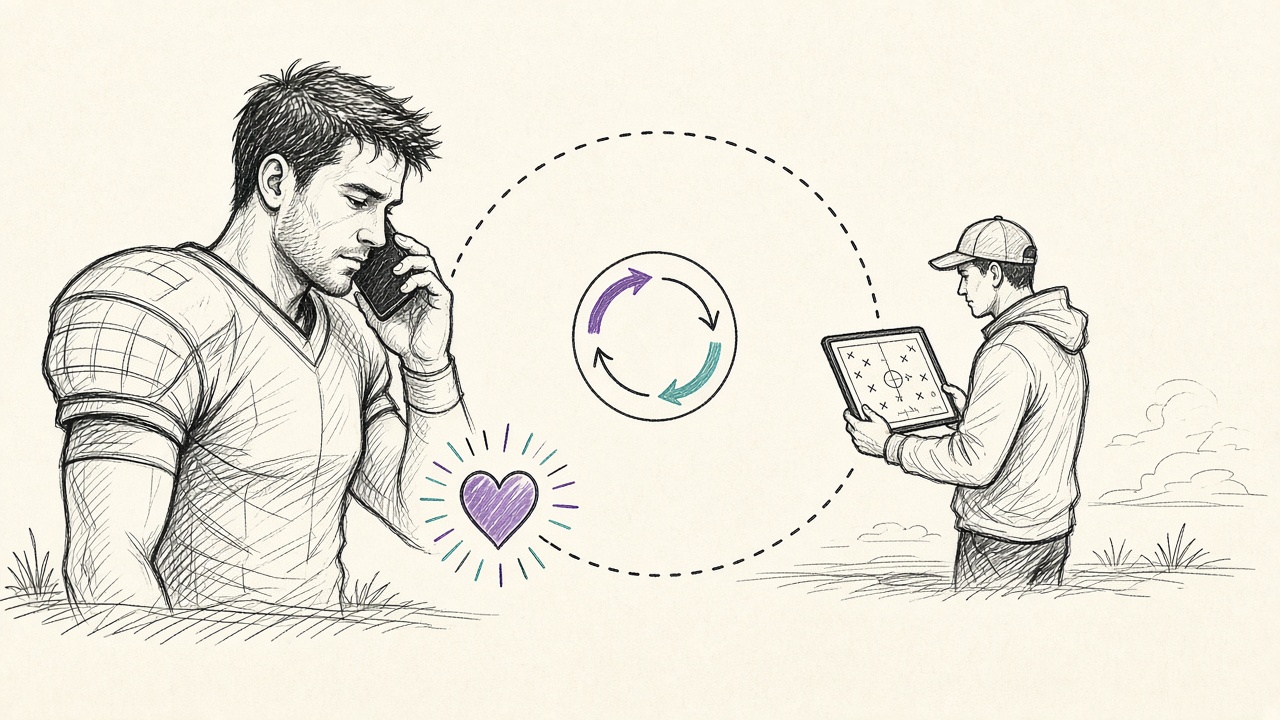
Closing the loop: player progress, wellness, and engagement in Next11
Coach tools create data. Player apps create habit. Next11’s system is strongest when athletes understand their own load and progression — not only when staff review charts after training. WonderIT helped shape the player-facing mobile experience that turns tracked sessions into personal feedback, wellness input, and ongoing engagement. Why the player app is strategically important…
-
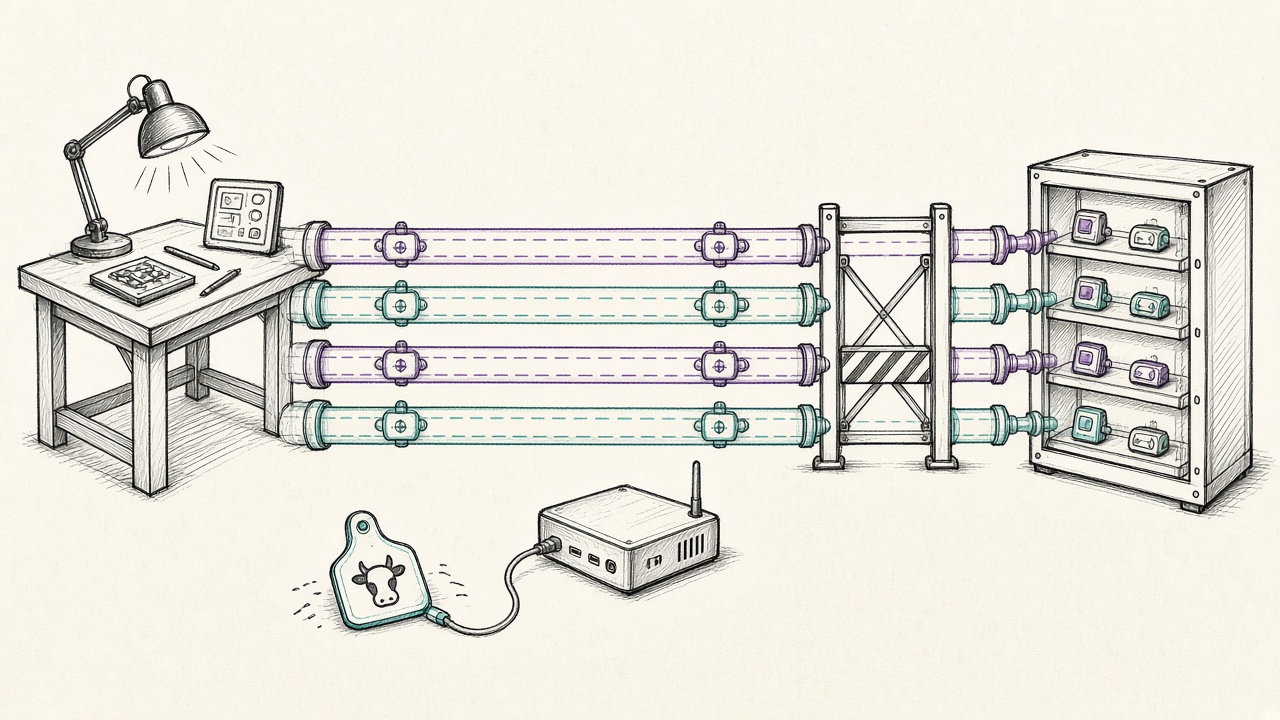
Shipping hardware-connected apps safely: Expo EAS environments for Next11
A sports tracking app tied to physical devices cannot treat releases casually. A bad build is not just a UI bug — it can interrupt how clubs train. For Next11, WonderIT worked within a multi-environment Expo EAS setup that separates testing, staging, pre-production, and production concerns while still supporting fast iteration through OTA updates. Why…
-
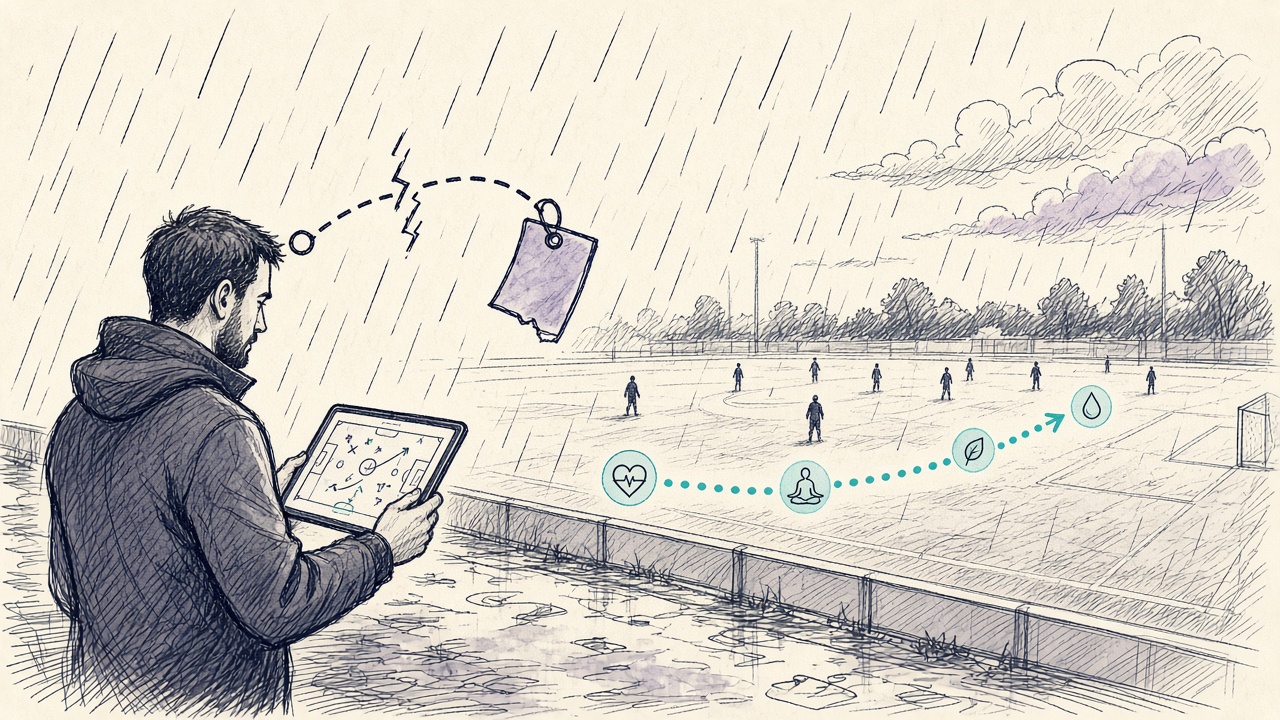
Match-day reliability: designing live session flows that survive the pitch
Demo environments forgive flaky software. Football sessions do not. When coaches use Next11 live, the product is competing with weather, congested networks, battery realities, human haste, and the simple fact that training continues whether the UI is ready or not. Reliability is therefore not only uptime — it is recovery design. Failure is part of…
-
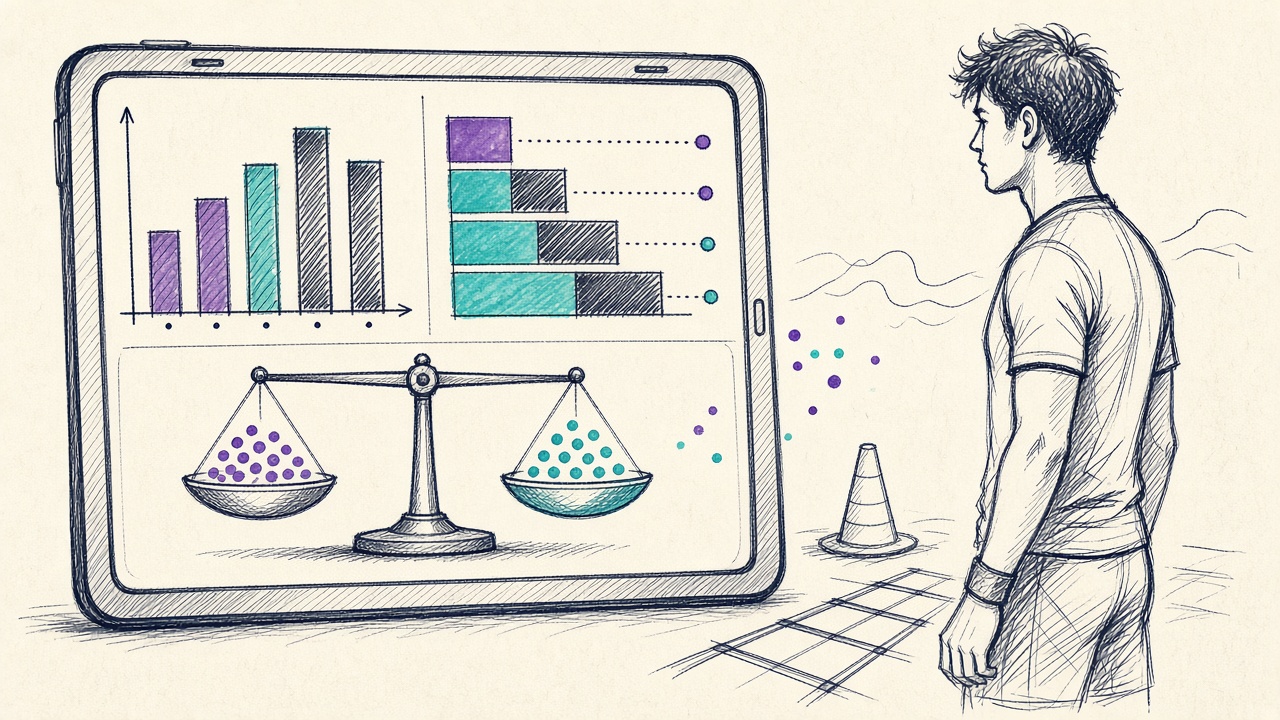
Making sports science usable: load, intensity, and acute:chronic UX in Next11
Sports science only creates value when a coach can use it in under a few seconds. A perfect model buried in a dense dashboard is still a failed product. In Next11, metrics such as intensity zones, weekly load, custom benchmarks, and acute:chronic workload ratio are central to how staff plan training and reduce avoidable risk.…
-
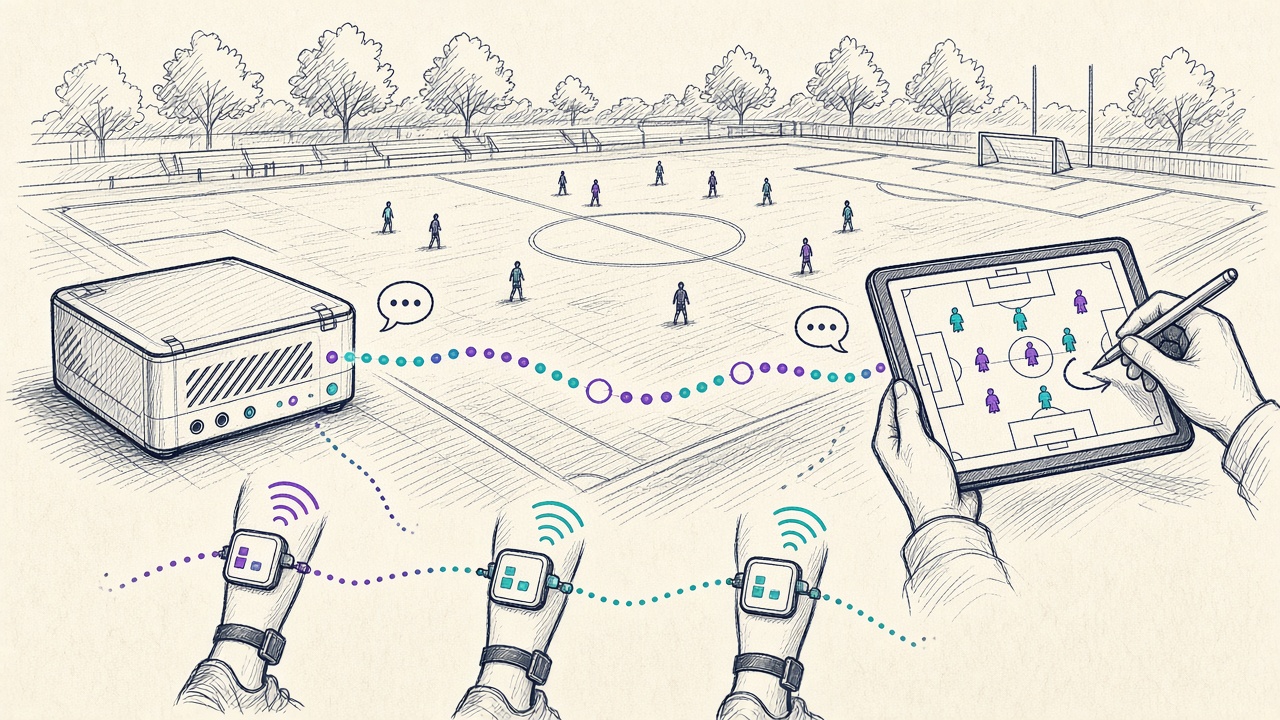
Talking to the pitch: MQTT, Edge hardware, and realtime React Native
Mobile apps are easy when the only server is in the cloud. They get interesting when the critical machine is sitting on the sideline. Next11’s coach experience depends on an Edge device that receives data from player tags and makes live performance signals available to the tablet. For WonderIT, that meant treating realtime hardware communication…
-
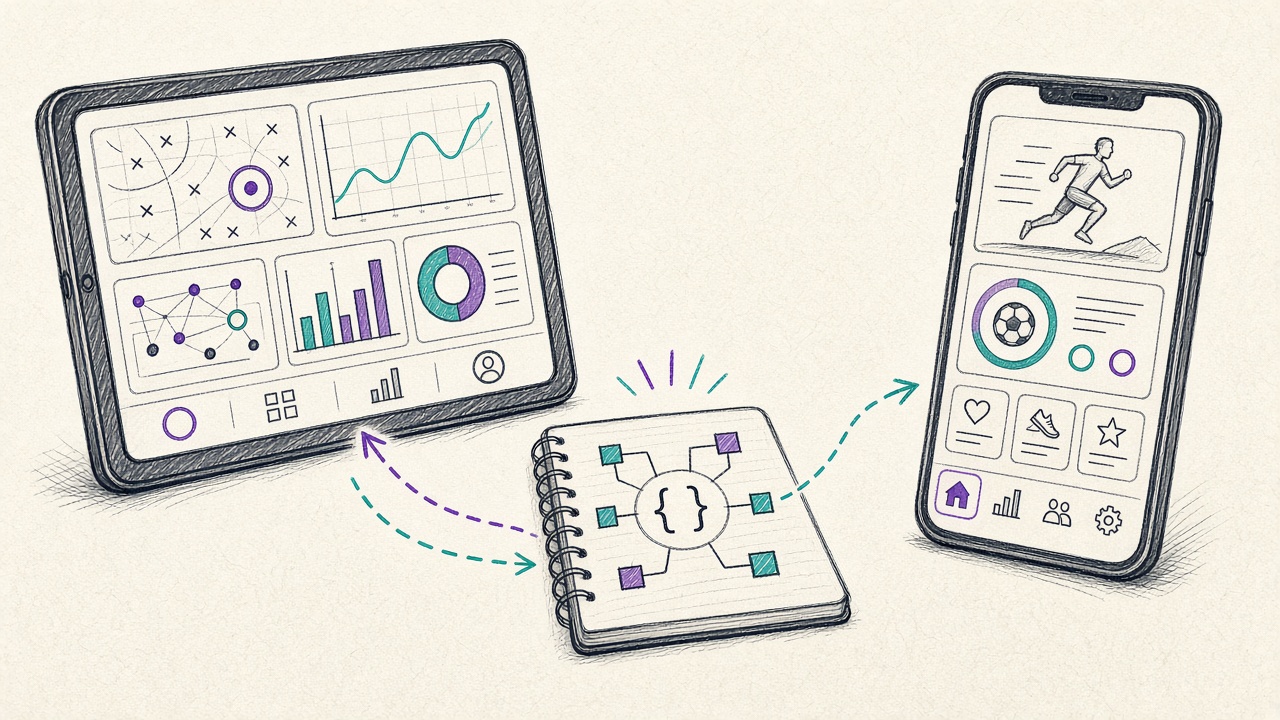
One codebase, two products: building coach and player apps for Next11
Many “multi-role” apps fail for a simple reason: they treat different users as the same person with different permissions. In sports performance software, that mistake is expensive. Coaches and players do not need the same screens with a few buttons hidden — they need different products that share a domain. On Next11, WonderIT helped evolve…
-
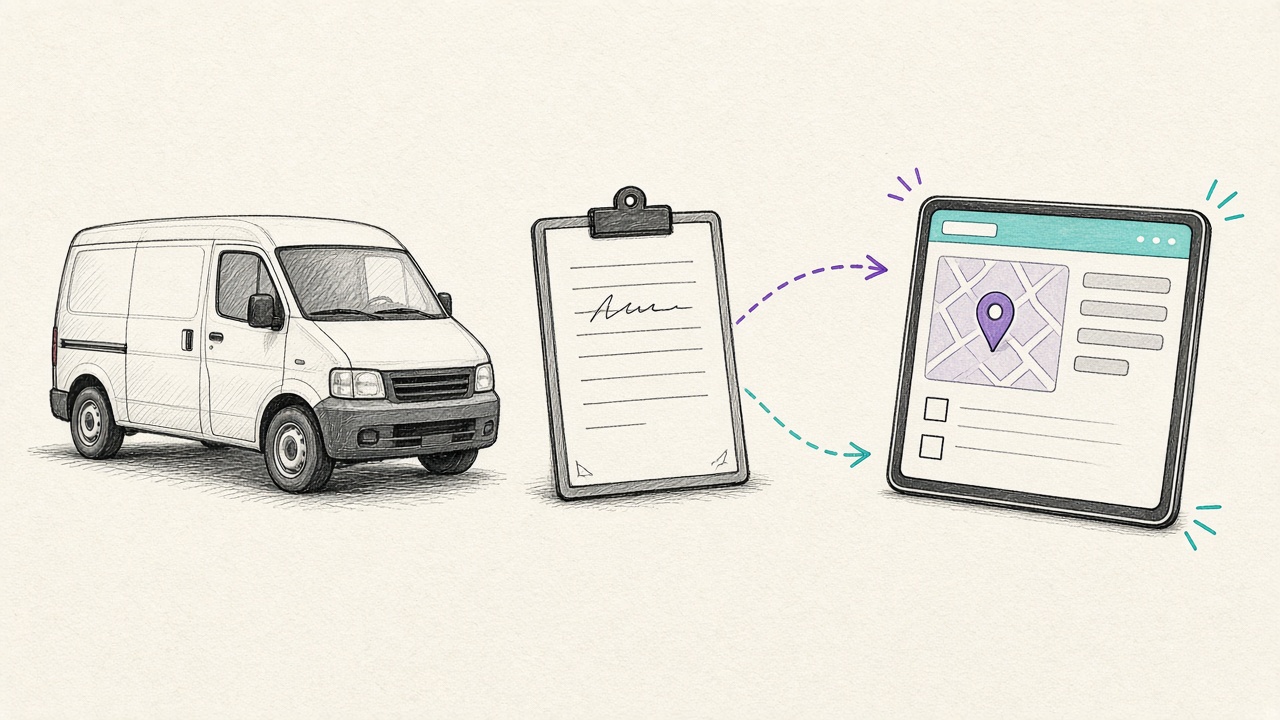
Introducing ServiceBrief AI.
ServiceBrief AI helps busy field service teams turn calls, emails, voicemails, and technician notes into organized jobs, service reports, follow-ups, and quote opportunities. Most service businesses don’t lose work because they don’t have enough tools. They lose work because important details get buried. A customer leaves a voicemail. A technician mentions extra work in a…