When it comes to building modern web applications, few technologies have had as much impact as React.js. Since its introduction, React has transformed the way developers create user interfaces, making applications faster, more maintainable, and easier to scale. Today, React powers countless websites, SaaS platforms, enterprise systems, and digital products used by millions of people around the world.
Whether you’re a business owner considering a new web application or a developer looking to sharpen your skills, understanding React and its best practices can help you make better technology decisions.
What Is React.js?
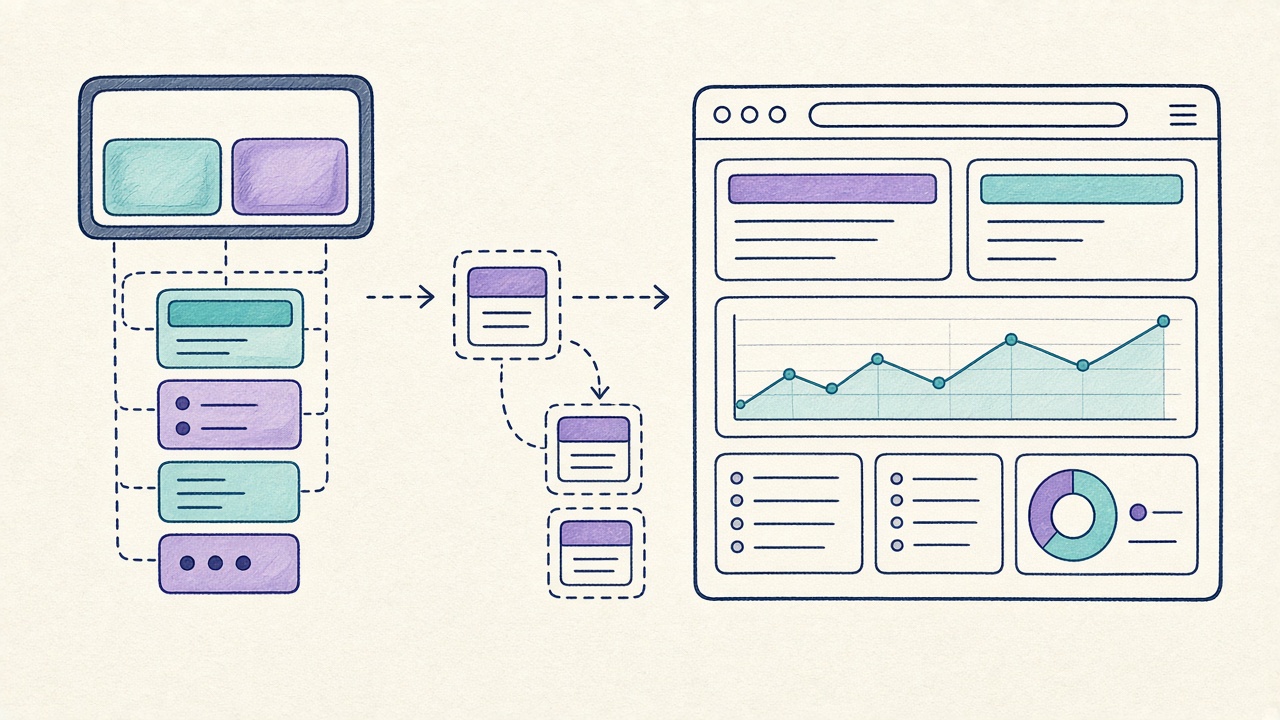
React.js is a JavaScript library used for building user interfaces. Unlike traditional approaches where entire pages are rendered and updated, React focuses on reusable components that can be combined to create complex and interactive applications.
Think of a website as a collection of building blocks. Navigation bars, buttons, forms, product cards, dashboards, and user profiles can all be created as individual React components. These components can then be reused throughout the application, reducing development time and improving consistency.
This component-based architecture is one of the main reasons React has become so popular among development teams of all sizes.
Why Businesses Choose React
React offers several advantages that make it an attractive choice for modern software development projects.
One of the biggest benefits is scalability. Applications built with React can start small and grow over time without requiring a complete rewrite. This allows businesses to launch products quickly and continue adding features as user demand increases.
Performance is another major advantage. React uses a system called the Virtual DOM, which updates only the parts of the page that have changed rather than reloading the entire interface. This creates a smoother user experience and improves application responsiveness.
React also benefits from a massive ecosystem of tools, libraries, and frameworks. Developers can leverage solutions for routing, state management, testing, animations, data fetching, and more, helping teams move faster while maintaining high-quality code.
Finally, React has one of the largest developer communities in the world. This means businesses have access to a large talent pool, extensive documentation, and long-term technology stability.
Modern React Development Best Practices
As React has matured, development practices have evolved significantly. Following modern best practices helps teams build applications that are easier to maintain and scale.
Use Functional Components
Modern React development revolves around functional components rather than traditional class-based components. Functional components are easier to understand, require less boilerplate code, and integrate seamlessly with React Hooks.
This approach leads to cleaner codebases and a better developer experience.
Embrace React Hooks
Hooks have become a core part of React development. They allow developers to manage component state, perform side effects, and share reusable logic without relying on classes.
Common hooks include useState, useEffect, useMemo, useCallback, and useRef. Understanding when and how to use these hooks effectively can greatly improve application performance and maintainability.
Keep Components Focused
One common mistake developers make is creating components that handle too many responsibilities. Large components become difficult to debug, test, and reuse.
A good rule of thumb is that each component should have a single purpose. Smaller, focused components are easier to maintain and can be reused throughout the application when needed.
Adopt TypeScript
More React teams are choosing TypeScript for both small and large projects. TypeScript adds static typing to JavaScript, helping developers catch errors before code reaches production.
The benefits include improved code quality, better editor support, enhanced autocomplete, and a smoother onboarding experience for new team members.
For larger applications, TypeScript often becomes a valuable investment that reduces long-term maintenance costs.
React Performance Tips
Performance optimization should always be considered when building React applications.
One effective strategy is avoiding unnecessary re-renders. React provides tools such as React.memo, useMemo, and useCallback that help optimize component rendering when used appropriately.
Developers should also consider lazy loading components and code splitting. Not every feature needs to be loaded immediately when a user visits a website. By loading code only when it is needed, applications can significantly improve page load times and overall user experience.
Another important consideration is efficient data fetching. Modern solutions such as React Query and server-side rendering frameworks can reduce unnecessary network requests and improve application responsiveness.
Common React Mistakes to Avoid
Even experienced developers can fall into habits that negatively impact application quality.
One common mistake is overcomplicating state management. Not every application needs a sophisticated global state solution. In many cases, local component state or React Context can provide a simpler and more maintainable solution.
Another mistake is neglecting accessibility. Accessibility should not be treated as an afterthought. Using semantic HTML, supporting keyboard navigation, and providing proper labels ensures applications can be used by a wider audience while often improving search engine visibility.
Poor project organization is another challenge that becomes increasingly problematic as applications grow. Establishing a clear folder structure and maintaining consistent coding standards helps teams collaborate more effectively and reduces technical debt.
React and SEO
Historically, search engine optimization was often considered a weakness of React applications. However, modern React frameworks have largely solved these concerns.
Frameworks like Next.js enable server-side rendering and static site generation, allowing search engines to easily crawl and index content. These capabilities provide the benefits of React while maintaining excellent SEO performance.
For businesses that rely on organic traffic, this combination of performance and search visibility makes React-based solutions particularly attractive.
Is React Still Worth Learning in 2026?
The short answer is yes.
Despite the emergence of new frontend technologies, React remains one of the most widely adopted solutions in the industry. It continues to receive active development, powers countless production applications, and serves as the foundation for many modern frameworks and tools.
Companies ranging from startups to global enterprises continue to invest heavily in React-based development. Its flexibility, strong ecosystem, and proven track record make it a safe and strategic choice for long-term projects.
Final Thoughts
React has fundamentally changed the way modern web applications are built. Its component-based architecture, performance-focused design, and extensive ecosystem allow developers to create fast, scalable, and maintainable digital products.
For businesses looking to build custom software, customer portals, SaaS platforms, or interactive web applications, React remains one of the most reliable technologies available today. As the web continues to evolve, React’s adaptability and strong community support ensure it will remain a key part of modern development for years to come.
Leave a Reply